
Why Is My Discharge Brown? Understanding Brown Spotting Between Periods
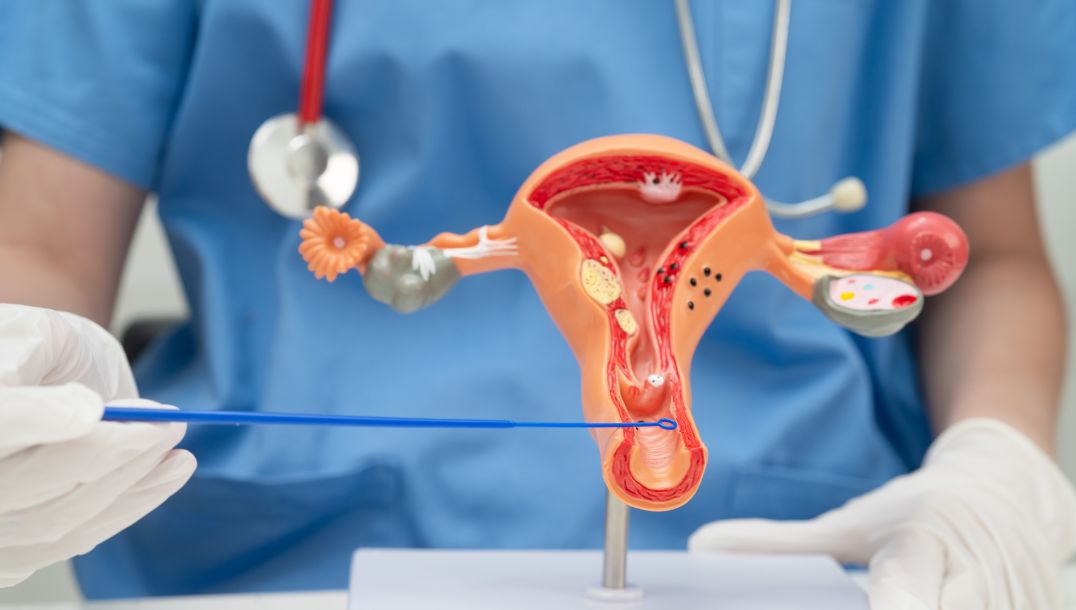
It is common to notice some vaginal discharge throughout your cycle. But sometimes you may see brown spotting between periods, which can be worrying. Brown discharge usually means that older blood is leaving the uterus. The colour change happens because blood that takes longer to exit becomes darker as it oxidises.
While often harmless, brown spotting can sometimes be linked to hormonal changes, pregnancy, infections, or underlying conditions. Knowing the possible causes and when to seek medical advice can help you feel more confident about your health.
What Does Brown Discharge Indicate?
Brown discharge most often reflects old blood leaving the body more slowly than fresh red blood. This can happen at different times in your cycle:
- Old blood: Dark or brown discharge is typically older blood that has had time to oxidise.
- Timing: It may appear before or after your period, or occasionally mid-cycle.
- Possible warning sign: If the pattern is unusual or combined with pain, odour, or other symptoms, it should be checked by a doctor.
Common Causes of Brown Spotting Between Periods
1. Residual Menstrual Blood
Sometimes, a small amount of blood remains in the uterus or vagina after your period. As it exits the body more slowly, it darkens and appears brown. This is often most noticeable in the day or two after your period ends.
- What it may look like: Light brown spotting or streaks in discharge for a short time after menstruation.
- When to see a doctor: If the spotting lasts longer than a few days or occurs consistently after each period.
2. Early or Light Start of a Period
Sometimes, a small amount of blood remains in the uterus or vagina after your period. As it exits the body more slowly, it darkens and appears brown. This is often most noticeable in the day or two after your period ends.
- What it may look like: Light brown spotting or streaks in discharge for a short time after menstruation.
- When to see a doctor: If the spotting lasts longer than a few days or occurs consistently after each period.
3. Hormonal Changes or Birth Control
Hormone fluctuations can affect the timing and consistency of bleeding. Starting or changing birth control methods, such as the pill, IUD, or implant, can cause spotting between periods. Missed pills or inconsistent use can also trigger it.
- What it may look like: Brown spotting at unpredictable times in the cycle.
- When to see a doctor: If spotting continues for several months, becomes heavy, or is accompanied by other symptoms such as headaches or mood changes.
4. Implantation Bleeding
In early pregnancy, some women experience spotting when a fertilised egg attaches to the uterine wall. This is called implantation bleeding and can sometimes appear brown.
- What it may look like: Light spotting, often pink or brown, around the time your period would normally start.
- When to see a doctor: If you suspect pregnancy, take a test and consult your GP, especially if spotting is accompanied by abdominal pain or cramping.
5. Infections or Inflammation
Vaginal or pelvic infections, including sexually transmitted infections (STIs), can irritate the lining of the vagina or cervix and cause spotting.
- What it may look like: Brown discharge accompanied by unusual odour, itching, pain during sex, or pelvic discomfort.
- When to see a doctor: Always, untreated infections can lead to complications such as pelvic inflammatory disease.
6. Fibroids or Polyps
Fibroids are non-cancerous growths in the uterus, while polyps are small tissue growths in the uterine or cervical lining. Both can cause irregular bleeding and spotting.
- What it may look like: Brown or red spotting between periods, heavy menstrual bleeding, or pelvic pressure.
- When to see a doctor: If you experience frequent spotting, heavy periods, or difficulty with fertility.
7. Perimenopause or Menopause
As hormone levels shift during the transition to menopause, periods can become irregular. Spotting, including brown discharge, is common.
- What it may look like: Unpredictable light spotting, sometimes accompanied by hot flushes, night sweats, or changes in cycle length.
- When to see a doctor: If you experience any vaginal bleeding after menopause (12 months without a period), as this may signal a more serious condition.
8. Rare but Serious Conditions
Although uncommon, brown spotting can sometimes be linked to conditions such as endometrial hyperplasia (thickening of the uterine lining) or cancers of the uterus or cervix.
- What it may look like: Brown or red bleeding outside of normal cycles, particularly after menopause.
- When to see a doctor: Immediately if you experience post-menopausal bleeding, unexplained pelvic pain, or changes in your usual bleeding pattern.
When Should You Be Concerned?
Not every episode of brown discharge requires medical attention. Still, it is important to recognise when it may signal something more serious:
- Spotting that lasts several days or happens frequently
- Bleeding that occurs outside of your normal cycle
- Accompanying symptoms such as pelvic pain, cramps, fever, or unusual odour
- Vaginal bleeding after menopause
- Spotting that regularly happens after sex
- Unexpected bleeding during pregnancy
- Heavier bleeding than usual, especially with fatigue or weakness that may suggest anaemia
How Doctors Diagnose Brown Spotting
Your healthcare provider may use several approaches to determine the cause:
- Medical history: Reviewing your cycle, contraceptive use, and symptoms
- Pelvic exam: Checking for infection, irritation, or growths
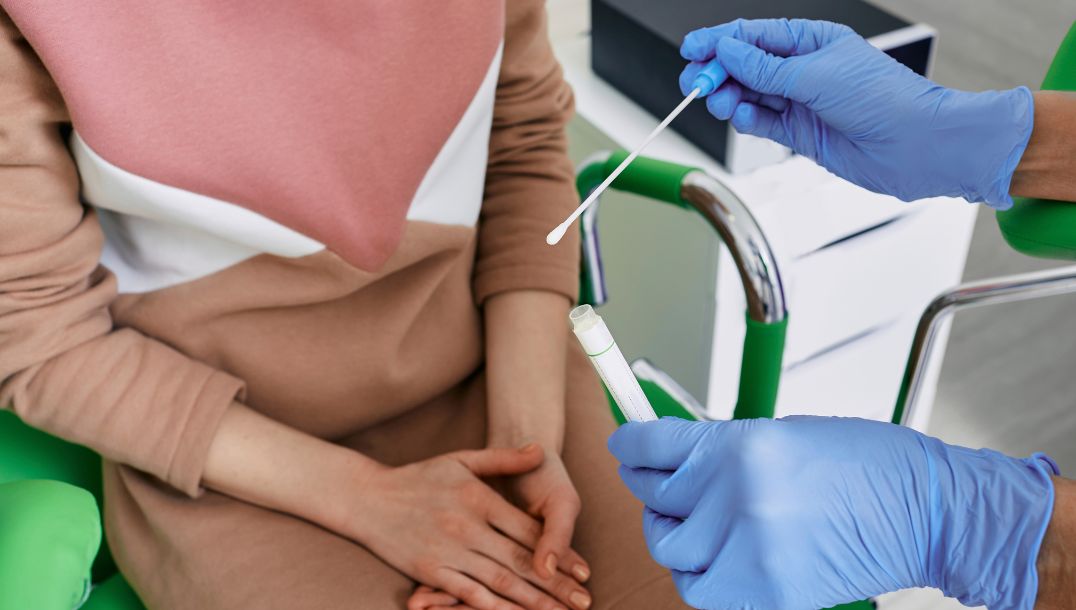
- Lab tests: Swabs or blood tests for infections or hormone levels
- Cervical screening: A Pap smear to detect abnormal cervical cells
- Ultrasound: Imaging to look for fibroids, cysts, or uterine changes
- Biopsy or hysteroscopy: Sampling uterine tissue if abnormal bleeding is suspected
Why do I still have brown discharge for weeks after my period?
Brown discharge lasting several weeks often represents old blood leaving the uterus slowly, especially when flow is light. However, spotting that continues for weeks may also be linked to hormonal imbalance, contraception side effects, infection, or uterine growths such as polyps or fibroids. In rarer cases, it may signal an issue with the endometrium. If it continues for more than one or two cycles, or if it comes with pain, a strong odour, or heavy bleeding, see your GP for assessment.
Is it normal to see brown discharge a week after my period?
Light brown discharge up to a week after menstruation is often just leftover blood and is usually harmless. This is especially common if your period flow was lighter. If it only happens occasionally, observation is fine. But if it recurs each month, becomes heavier, or appears with pain, odour, or irritation, it’s best to get checked.
Can brown discharge during ovulation be thick or sticky?
Yes. Around ovulation, cervical mucus naturally becomes clearer and more slippery, but spotting can sometimes mix with it. This can cause discharge to look brown and sticky or thick. It’s usually a normal hormonal response. However, if the discharge has a strong odour, causes irritation, or is associated with pelvic pain, infection should be ruled out.
Should brown spotting be counted as part of my period?
Light brown spotting at the start or end of your usual bleed is often part of your menstrual flow. But brown spotting in the middle of your cycle is not typically considered a period. For tracking purposes, note the timing and amount of spotting. If your cycle pattern changes significantly or becomes irregular, check with your GP.
What does brown discharge in the middle of my cycle mean?
Mid-cycle brown discharge may occur with ovulation spotting, hormonal shifts, or contraceptive changes. It can also follow cervical irritation, such as after intercourse or a Pap smear. While usually harmless, persistent or new mid-cycle spotting can also signal infection, fibroids, or other uterine issues. Medical review is advised if it continues or is accompanied by pain, odour, or unusual symptoms.
Why is my period always dark brown instead of bright red?
Some people naturally have darker menstrual flow, especially if bleeding is lighter and takes longer to leave the uterus. This allows the blood to oxidise, turning it brown. It may simply reflect your cycle pattern. However, if the change is new, ongoing, or accompanied by heavy bleeding, clots, or pain, see your doctor to check for causes such as hormonal imbalance, fibroids, or other conditions affecting bleeding.
Treatment and Management
Treatment depends on the cause:
- Watchful waiting: If mild and cycle-related, no treatment may be needed
- Hormonal adjustments: Changing or regulating contraception may help
- Medications: Antibiotics or antivirals for infections
- Procedures: Removal of fibroids, polyps, or abnormal growths
- Uterine treatments: D&C or endometrial ablation for persistent bleeding
- Lifestyle care: Healthy weight, stress management, and avoiding irritants
Normal vs. Abnormal Brown Spotting
- Normal: Light spotting before or after a period, minor spotting with new contraception, or occasional brown discharge without other symptoms
- Concerning: Persistent spotting, odour or pain, bleeding after menopause, or major changes in your cycle
Get Comprehensive Care for Brown Discharge and Cycle Changes
If you are concerned about brown discharge, spotting between periods, or any changes to your cycle, it is best not to ignore the symptoms. At Cranbourne Central Medical Centre, our experienced male and female GPs and allied health professionals provide comprehensive women’s health care, including cervical screening, STI testing, contraception advice, menopause support, and management of abnormal bleeding.
We offer same-day appointments, telehealth consultations, and bulk billing for eligible patients. Book a consultation today to discuss your concerns in a supportive and confidential setting.
Disclaimer: The information provided is for general educational purposes only and should not be taken as medical advice. It is not a substitute for consultation with a qualified healthcare professional. Always speak with your GP or healthcare provider about your individual symptoms, concerns, or treatment options.
房中秘术、泡妞把妹、丰胸美体、奇淫巧技!价值十万电子书下载网址:https://www.1199.pw/
时间真快,一年又快结束了,啥也不说了,祝你幸福吧!
真免费!价值万元资源,不要一分钱,网址:https://www.53278.xyz/
益群网:终身分红,逆向推荐,不拉下线,也有钱赚!尖端资源,价值百万,一网打尽,瞬间拥有!多重收益,五五倍增,八级提成,后劲无穷!网址:1199.pw